Uber Layoffs: 3,300 Jobs Cut in Major Restructuring
Uber is cutting about 10% of its corporate workforce as it reduces management layers and redirects savings toward its robotaxi ambitions.
Published September 2, 2026; 6 min read
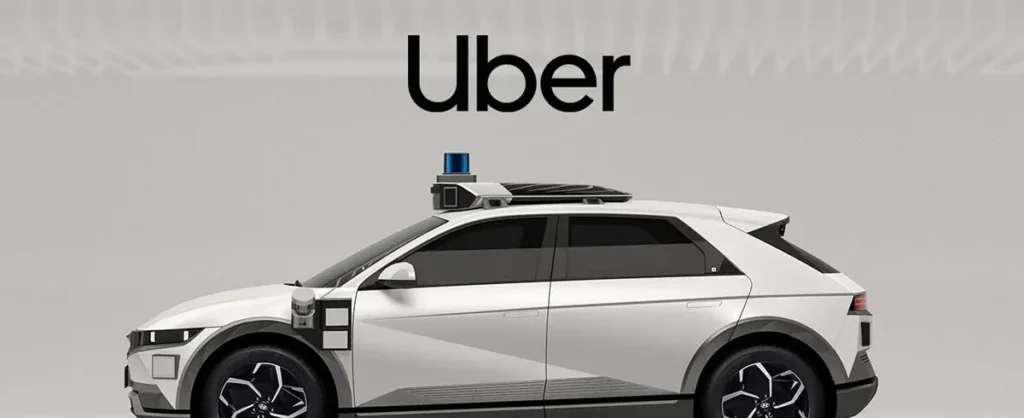
Uber layoffs will eliminate 3,300 jobs
Uber layoffs are eliminating approximately 3,300 corporate jobs, or about 10% of Uber’s corporate workforce, in the company’s largest workforce reduction since the coronavirus pandemic.
The restructuring is aimed at reducing management layers, simplifying teams and cutting organizational complexity. Uber says the resulting savings will help create more capacity for investments in growth and autonomous transportation, including its expanding robotaxi strategy.
The announcement comes as Uber faces increasing competition in autonomous transportation and challenges within its food delivery operation. The company is also changing its workplace structure, with most employees expected to work from an office rather than remotely.
Why is Uber laying off 3,300 employees?
The main reason behind the Uber job cuts is organizational complexity created by years of rapid expansion.
Uber CEO Dara Khosrowshahi told employees that the company’s growth had resulted in more layers, more coordination and more fragmented ownership of responsibilities. Some structures that made sense when individual businesses were smaller no longer fit the company at its current scale.
The restructuring is intended to make the organization leaner and faster.
Uber plans to:
- Reduce its number of managers by 20%.
- Eliminate hundreds of management positions.
- Cut the number of one- or two-person “micro teams” by half.
- Reduce the number of employees positioned seven or more layers below the CEO.
- Combine operational teams within its delivery operations.
- Redirect savings toward strategic investments.
The company said the layoffs would be relatively proportional across different levels of seniority.
How much will Uber save from the layoffs?
Analysts estimate that the Uber layoffs could generate roughly $825 million in annual savings.
The savings are particularly significant because Uber is simultaneously committing substantial resources to its next stage of growth. The company has pledged to spend more than $10 billion expanding its robotaxi network.
That creates a clear strategic connection between the workforce reduction and Uber’s autonomous transportation ambitions: reduce the cost and complexity of the existing organization while freeing up resources for areas the company considers important to its future.
Uber layoffs are happening as robotaxi investment grows
The Uber layoffs 2026 announcement comes during an increasingly competitive race to commercialize autonomous vehicles.
Uber plans to operate robotaxi services in at least 15 cities this year and is betting that its customer base of more than 200 million people can give it an advantage as autonomous transportation expands.
The company has pledged more than $10 billion toward expanding its robotaxi network and is competing against major players pursuing autonomous transportation.
The shift also comes as Uber continues investing in artificial intelligence. Analysts have suggested that greater efficiencies from Uber’s AI investments may have helped enable the workforce reduction.
For Uber, the strategy is not simply about cutting jobs. The company is attempting to reshape where it spends its resources by reducing internal complexity while increasing investment in technologies that could change the transportation industry.
Uber Eats faces challenges in the U.S.
Another factor behind the broader restructuring is the performance of Uber’s food delivery business.
Uber Eats has gained market share in the UK, France and Germany, but its position in the United States has weakened.
Uber’s U.S. food delivery market share stands at about 31%, while its largest competitor has expanded its share to roughly 64%, according to the figures provided in the source material.
The company is responding by restructuring its delivery organization.
Andrew Macdonald, Uber’s president, is overseeing the food delivery business on an interim basis after the departure of Susan Anderson, who had led the division for little more than a year.
Uber is also combining operational teams across courier, restaurant and retail businesses while recruiting a new global head of delivery and a head of commercial.
What do the Uber job cuts mean for employees?
The company is also changing its approach to remote work. Most employees will be expected to work from an office, while only about 1% of Uber’s workforce will be permitted to work remotely.
Uber’s hybrid policy requires employees to work in the office three days a week, and the company said it would reinforce compliance with that policy.
That means the restructuring affects not only headcount but also management structures, team organization and where employees work.
Uber restructuring targets management and smaller teams
The company’s Uber restructuring is focused heavily on reducing layers between senior leadership and employees.
Rather than simply eliminating a fixed number of positions across every department, Uber is targeting organizational structures that it believes have become unnecessarily complicated.
The main changes include:
- 20% fewer managers: Hundreds of management roles are expected to disappear.
- Fewer micro teams: Uber plans to halve the number of teams with only one or two members.
- Fewer organizational layers: The company wants fewer employees positioned seven or more layers below Khosrowshahi.
- Combined delivery operations: Teams serving couriers, restaurants and retail businesses are being brought together.
- Less remote work: Only about 1% of employees will be allowed to work remotely.
The goal is to give employees clearer ownership of responsibilities and reduce the amount of coordination required to make decisions.
Why Uber is cutting jobs while investing billions
The apparent contradiction between Uber layoffs and billions of dollars in new investment is central to understanding the company’s strategy.
Uber is not simply reducing spending across the board. Instead, it is attempting to shift spending from organizational overhead toward areas it considers strategically important.
Robotaxis are at the center of that strategy.
With more than $10 billion committed to expanding its robotaxi network, Uber is positioning its existing customer base and transportation platform for an autonomous future. At the same time, it needs to keep its existing businesses efficient enough to support those investments.
The workforce reduction is therefore part of a broader restructuring designed to make the company simpler while preserving its ability to invest.
What happens next after the Uber layoffs?
The immediate priority will be implementing the workforce reductions and organizational changes while continuing Uber’s investment in robotaxis.
The company plans to operate robotaxi services in at least 15 cities this year. It will also continue restructuring its food delivery organization and recruiting new leadership for that business.
For employees, the changes mean fewer corporate positions, fewer management layers and significantly less flexibility around remote work.
For Uber, the objective is to build a leaner organization capable of making decisions faster while directing more resources toward autonomous transportation and other growth initiatives.
The bottom line on the Uber layoffs
The Uber layoffs will eliminate approximately 3,300 corporate jobs, representing about 10% of the company’s corporate workforce. Uber also plans to reduce its management workforce by 20%, eliminate smaller organizational teams and limit remote work to roughly 1% of employees.
The company expects the restructuring to generate approximately $825 million in annual savings, giving it additional resources to pursue its robotaxi strategy and other investments.
For readers following the U.S. labor market, technology companies or autonomous transportation, the most significant development to watch is what Uber does with those savings next.
Disclaimer
This article is for informational purposes only and does not constitute financial, investment, or tax advice. Always consult a qualified professional before making financial decisions.